
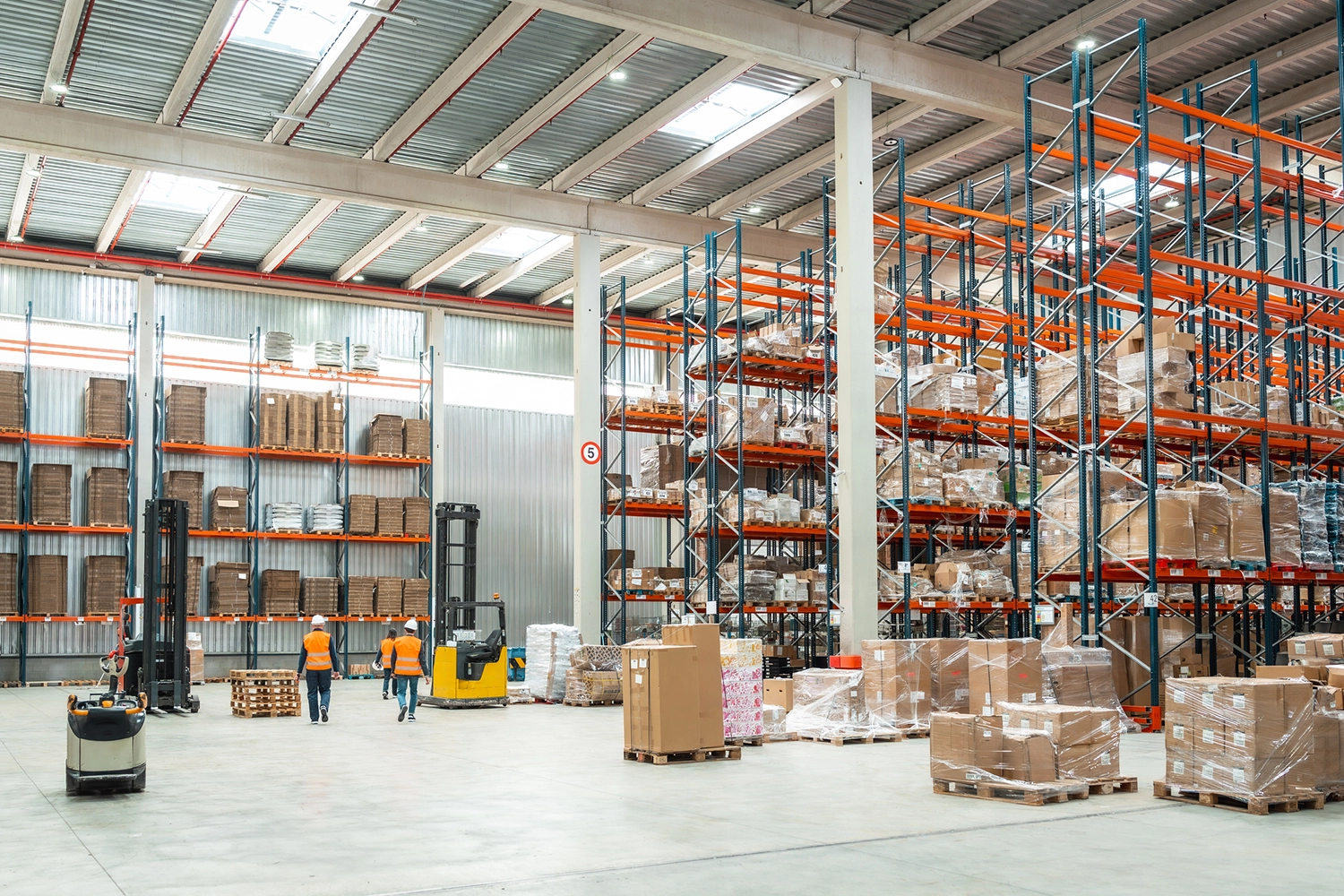
Organizing a Company Warehouse
I’m very excited to bring you the second niche location in our “Organizing for Specific Businesses” mini-series: a company warehouse! A warehouse is a critically important space for your business model, inventory/operations, and success. A messy, disorganized warehouse will put those things at risk. Read on to ensure you’re doing what you can to avoid this risk and to keep this important space effectively organized.
How can I best organize my company’s warehouse?
A warehouse is typically a large area, and you want a clear plan for the layout to make sure you’re using the space to its full advantage. Think about and create “zones” based on your business needs. Common warehouse zones may include (but are not limited to):
- Receiving & inspection
- Bulk storage
- Staging & packing
- Returns/damaged goods
What are best practices for warehouse receiving?
You want to establish a standard process for all receiving inside your business. Verify quantities and condition of items received, and label immediately when applicable. Assign a location before moving inventory, or make sure the items get put away in the dedicated spot; consistency is key! Consistency helps prevent chaos and confusion later.
Assign limited employees to be responsible for this process – too many people all doing the same thing can turn messy quickly! Keep staging areas strictly organized and make sure they are:
- Clearly marked
- Time-limited (so that nothing sits indefinitely)
- Assigned to specific orders/shipments
Standard processes, clearly defined employee roles, and strictly organized staging areas prevent receiving mix-ups, workflow blockages, or delays.
How do I improve accessibility in my company’s warehouse?
An easily accessible, well-organized warehouse will increase your company’s and employees’ productivity. An ideal warehouse layout will take accessibility into account when designed. Keep fast-moving items in the most accessible space. Place high-turn items closer to shipping areas. You, of course, want to store heavier items at safe lifting heights to avoid injury or difficulties accessing the needed items. Whereas rarely needed/slow-moving items should be stored higher or deeper into the storage space.
How should I set up/organize my warehouse inventory?
A good place to start when it comes to warehouse organization is separating your inventory by size and access needs. We suggest the following inventory storage guidelines:
| Inventory Size/Type | Where to Store in the Warehouse |
|---|---|
| small items | bins or shelving |
| items on pallets | racks |
| oversized/heavy items | floor storage |
| fragile/high-value items | protected or restricted zones |
Clearly label all inventory by location (and keep the format consistent!) For example, an item may be labeled “Receiving – Aisle 2 – Section 3 – Level 1”. This style of warehouse management/labeling works for all types of storage (pallets, shelves, bins, floor storage, etc.). It also allows you to scale as your volume increases and makes it a breeze to train new employees.
Add visual cues, such as color-coding, large icons/fonts, etc., to reduce errors. If sharing a warehouse space with other businesses/companies, be sure to use visual separation wherever needed (cages/dividers/marked zones).
Use a digital inventory system, such as Assest Panda, so that you (along with anyone else who may need it) can always access your inventory records. Track your space and workload to help you figure out your warehouse layout, staffing, and cost estimations. Pay attention to and track:
- Space usage
- Picking frequency
- Labor time by activity
Keep operating procedures short and easy to follow. Use visuals such as photos, diagrams, and charts when applicable. Every month, see how the procedures are working for everyone and adjust accordingly if needed. This will allow your employees to move between tasks and inventory without retraining.
How do I ensure my warehouse is safe for my employees?
When organizing your warehouse, always maintain clear aisles, paths, and safety zones. Have marked walkways and “equipment only” lanes to ensure employees understand the warehouse layout and remain safe while on the job. Clear emergency access and define all staging areas. Being mindful of safety requirements while designing and organizing your warehouse will help protect your employees and ensure their safety.
How can I make my warehouse adaptable?
An adaptable design allows for change and (hopefully eventual!) growth within the space. Use adjustable/moveable shelving and stackable bins and totes. A flexible warehouse space will enable you to adapt quickly to new products, customers, etc. Check in regularly to make sure your layout and procedures could handle the volume if it were to suddenly double. Could your design layout be reworked if a new product is introduced? Would your staff be able to understand the system additions quickly? Make adjustments as you deem necessary.
A warehouse is typically a big space, and therefore causes big apprehension when it comes to organizing it! We get it; it can be difficult to know where to begin! Whether you’re unsatisfied with your current warehouse organization/processes, want to completely overhaul a warehouse that hasn’t been updated in years, or are just beginning to design your new business venture’s warehouse space…we can help! Please reach out to us, and we’ll begin the conversation on how to make your warehouse space best support your business and future success.
Looking forward to hearing from you,
Tonia

Ready to get Organized?
Book a Call with Julie!
Request a Consultation
There are so many ways that organization can help take back a space that is overwhelming and bring it to functional!
We are excited to help start your journey to an organized and productive space.